 iTEL
iTEL
Search results: 45
![RC10803(PLUMS) Sains dan Teknologi Biji Benih [2-2023/2024]](https://itel.ums.edu.my/pluginfile.php/757233/course/overviewfiles/Screenshot%202024-03-28%20at%202.27.11%E2%80%AFPM.png)
RC10803(PLUMS) Sains dan Teknologi Biji Benih [2-2023/2024]
Welcome to RC10803, Seed Science and Technology (PLUMS). This course covers the science behind seed development, germination physiology, seed longeviity and quality, as well as viability testing. It also includes seed conditioning, production, and storage, as well as seed testing labs and certification apart of standards for seed purity and the seed trade network.
![RC10803(UMSFLEC) SAINS DAN TEKNOLOGI BIJI BENIH [2-2024/2025]](https://itel.ums.edu.my/pluginfile.php/1353395/course/overviewfiles/RC10803%20UMSFLEC%20Announcement%20.jpg)
RC10803(UMSFLEC) SAINS DAN TEKNOLOGI BIJI BENIH [2-2024/2025]
Welcome to RC10803, Seed Science and Technology. This course covers the science behind seed development, germination physiology, and viability testing. It also includes seed conditioning, production, and storage, as well as seed testing labs and certification apart of standards for seed purity and the seed trade network.
RC31403(UMSFLEC) Perladangan Persis [2-2025/2026]
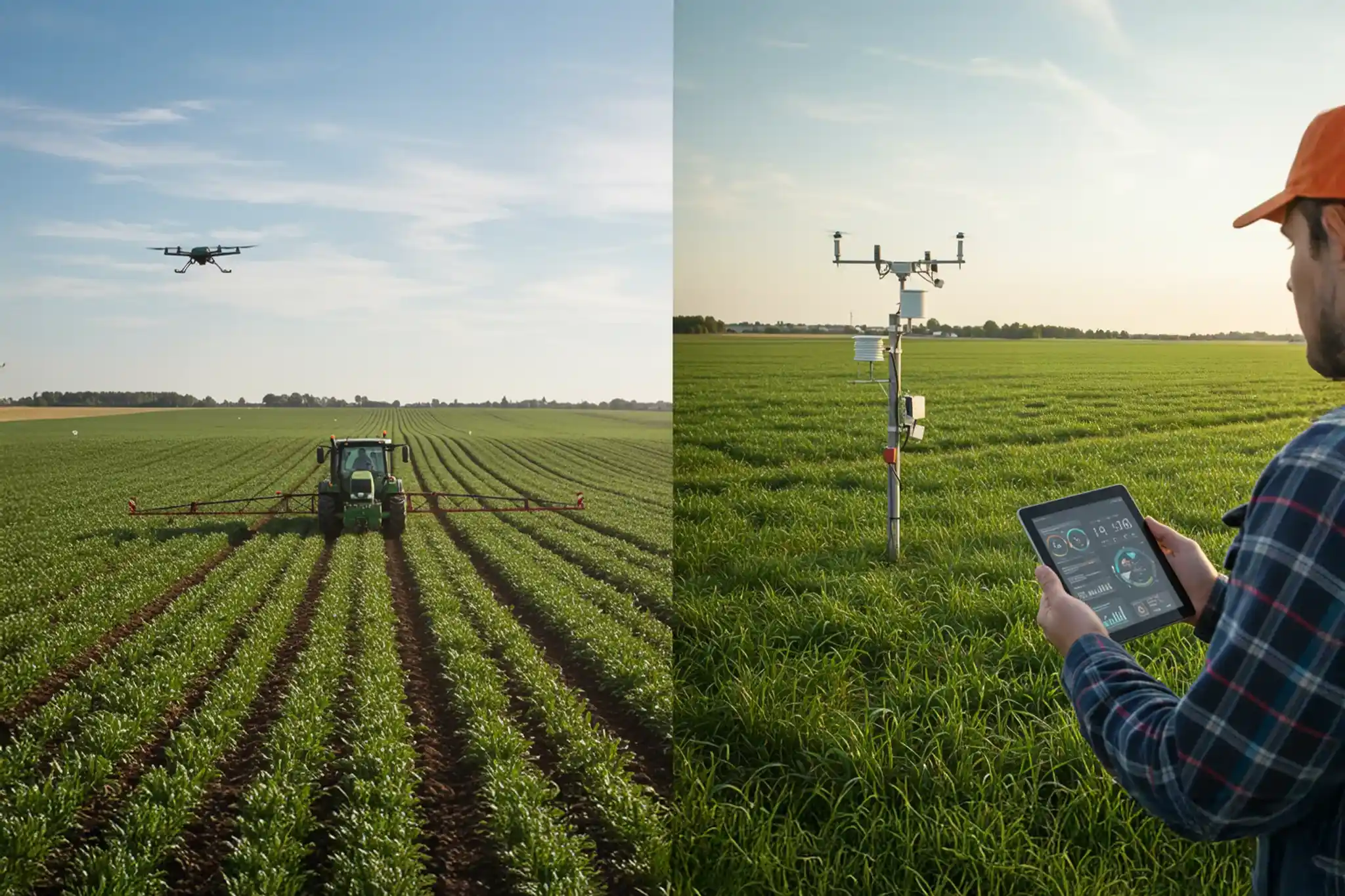
This course introduces students to the concepts, technologies and applications involved in precision farming (PF). This entails the use of ICT and some high-technology equipment for assessing field conditions and applying variable rates of production inputs for management of soil nutrients, weeds, pest & diseases. Topics include sampling procedures, and measurements of parameters through environmental sensors, GNSS, RS and PS. Data input into GIS or analysis using Geo-statistical & Mapping software to accomplish primary spatial data management tasks, creation of spatial variability maps for mechanized applications of farm inputs. Students will also be exposed to precision technologies in livestock production for locating as well as feeding, reproduction and health management. Students will participate in some hands-on experience in the use of enabling hardware and software in PF applications.
UB00702 (SECTION 701 UMSFLEC) ENGLISH FOR OCCUPTIONAL PURPOSES [1-2025/2026]
This course is designed to equip students with the English language skills necessary for the workplace by developing effective oral and written communication. The general objective is to prepare students to achieve Level B2 of the Common European Framework of Reference for Languages (CEFR). Students will learn to prepare, process, and produce relevant documents and engage in activities commonly practiced in professional settings. Key activities include practicing workplace-relevant expressions, preparing formal and informal documents, delivering informative presentations, and developing job-seeking skills.
UB00702 (SECTION 703 UMSFLEC-Sandakan) ENGLISH FOR OCCUPATIONAL PURPOSES [1-2025/2026]
This course is designed to equip students with the English language skills necessary for the workplace by developing effective
oral and written communication. The general objective is to prepare students to achieve Level B2 of the Common European
Framework of Reference for Languages (CEFR). Students will learn to prepare, process, and produce relevant documents, and
engage in activities commonly practiced in professional settings. Key activities include practicing workplace-relevant expressions,
preparing formal and informal documents, delivering informative presentations, and developing job-seeking skills.
 iTEL
iTEL